
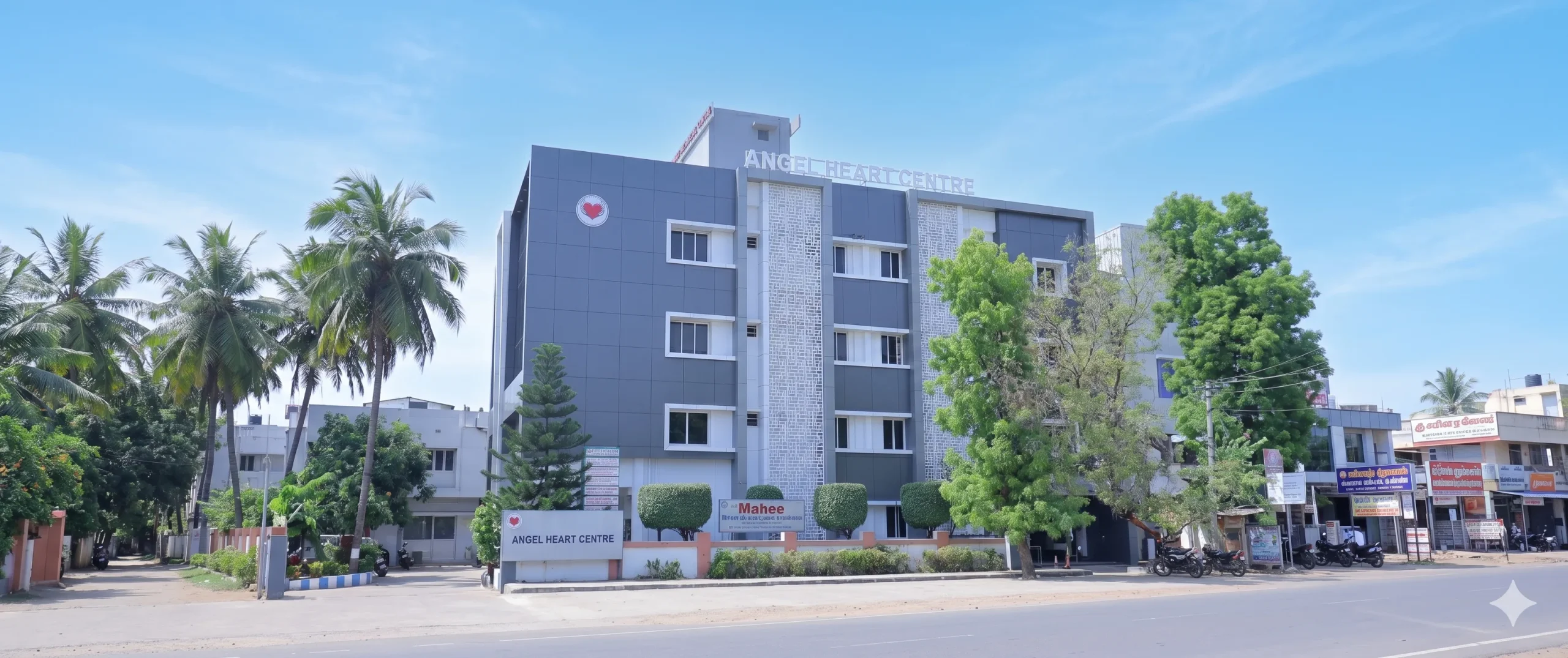
The Department of Cardiology is a specialized medical unit dedicated to the prevention, diagnosis, and treatment of diseases related to the heart and blood vessels (cardiovascular system). These departments often provide a comprehensive, multidisciplinary approach, ranging from routine screenings to complex, life-saving interventions.
Here is an exploration of the components within a modern cardiology department:
Key Sub-Specialties
Cardiology departments are divided into several specialized areas:
- Interventional Cardiology: Focuses on catheter-based treatments for heart diseases, such as angioplasty, stenting, and valvuloplasty.
- Non-Invasive Cardiology: Focuses on diagnosing and managing cardiovascular diseases without using needles or incisions, such as echocardiography, stress tests, and Holter monitoring.
- Electrophysiology (EP): Specializes in diagnosing and treating heart rhythm disorders (arrhythmias) using electrical mapping and ablation techniques.
- Heart Failure and Transplant Cardiology: Provides comprehensive management for patients with chronic or acute heart failure, including specialized medication and evaluation for heart transplants.
- Pediatric Cardiology: Focuses on congenital heart defects and other heart conditions in children.
- Preventive Cardiology: Emphasizes risk assessment, lifestyle modifications, and early detection to prevent heart diseases.
Diagnostic and Treatment Procedures
Modern cardiology departments are equipped with advanced technology for precise diagnostics and treatment:
- Imaging & Diagnostics: Echocardiograms (2D, 3D, Stress), Cardiac MRI, CT Angiography, Holter Monitors (24-hour to 7-day monitoring), and TMT (Treadmill Test).
- Cardiac Catheterization (Cath Lab): A dedicated, 24/7 facility for procedures like Coronary Angiography, Peripheral Angioplasty, and structural heart repairs.
- Structural Heart Interventions: Transcatheter Aortic Valve Replacement (TAVR/TAVI), MitraClip, and device closure for defects like ASD/PDA.
- Device Implantation: Pacemakers, Implantable Cardioverter Defibrillators (ICD), and Cardiac Resynchronization Therapy (CRT).
Patient Care Units
- Cardiology Ward/Inpatient: Dedicated beds for patients requiring in-patient care.
- Coronary Care Unit (CCU) / Cardiac ICU: Specialized unit for intensive, round-the-clock monitoring of patients with acute cardiac conditions like heart attacks, unstable angina, or life-threatening arrhythmias.
- Cardiac Rehabilitation: Post-treatment rehabilitation programs designed to improve long-term heart health.
Specialized Team
A cardiology department is supported by a team of professionals, including:
- Cardiologists: Medical doctors specializing in heart care.
- Interventional Cardiologists: Specialized in procedures.
- Cardiac Electrophysiologists: Experts in heart rhythm issues.
- Cardiothoracic Surgeons: Perform open-heart surgeries (often in close collaboration with the cardiology team).
- Cardiac Nurses and Technicians: Trained professionals supporting ICU care and technical procedures
Common Conditions Treated
Cardiology departments handle a wide spectrum of ailments, including:
- Coronary Artery Disease (CAD) and Heart Attacks
- Arrhythmias (e.g., Atrial Fibrillation)
- Heart Failure
- Congenital Heart Defects (both in children and adults)
- Valvular Heart Disease
- Hypertension and Peripheral Vascular Disease
Note: In some institutions, Cardiovascular and Thoracic Surgery (CTVS) is a separate department that works in close collaboration with the Department of Cardiology.
